Mapping a Resilient Landscape Plan from Canopy to Curb
Starting any tree service plan begins with a clear inventory of what you have and what you want to achieve. Assess existing trees by species, age class, and structural condition, and align those findings with site goals like shade, views, or clearance. This baseline helps you verify priorities, phase work responsibly, and buffer risks such as storm damage or disease spread before committing resources to major interventions.
Next, scoping the work streamlines decisions across multiple services. Define where Tree Removal is necessary due to decline or conflicts with utilities, and where Tree Pruning can restore structure or improve light penetration. In practice, a careful scope allows crews to sequence tasks efficiently, minimize duplication of effort, and maintain safe site access for equipment without compacting soil or stressing root zones unnecessarily.
Meanwhile, Plant Health Care ties short-term actions to long-term resilience. Soil testing, targeted fertilization, and pest monitoring can refine treatments that support trees under drought or urban stress. Document thresholds for action, such as canopy thinning or supplemental watering, so interventions are calibrated to site conditions. This approach reduces guesswork, validates results over seasons, and protects investments in both mature specimens and new plantings.
Beyond that, irrigation planning should align with root biology and evolving weather patterns. Irrigation Services are most effective when matched to soil infiltration rates, mulch coverage, and species needs. Often, drip lines set outside the trunk flare and adjusted as trees grow deliver better outcomes than shallow, frequent watering. Verify function with periodic inspections, and maintain components to prevent leaks that erode soil or invite root disease.
Often, installation decisions are improved by thinking in stages. Landscape Installation can be phased to stabilize priority areas first, using species with compatible water and light requirements. Then, underplant with groundcovers that shield soil and deter weeds, reducing future maintenance loads. Sequence deliveries and staging areas to avoid root damage, and validate plant placement against sightlines, utilities, and drainage paths before final backfilling.
However, maintenance planning is where projects either thrive or stall. Landscape Maintenance should include pruning cycles based on growth rates, mulching schedules that avoid trunk contact, and regular checks for girdling roots. Inspect stormwater paths after heavy rain, and refine mowing practices to protect drip lines. By setting a calendar with buffer time for weather or equipment delays, you avoid rework and preserve both safety and appearance.
Then, risk management adds a practical lens for properties facing winter conditions. Snow Plowing impacts curb trees, turf edges, and planting beds if piles smother branches or salt concentrates in the soil. Stage snow storage in durable zones, and document de-icing materials used so spring flush can be evaluated accurately. Finally, flush soils where appropriate, and validate canopy health before peak growing season demands begin.
Meanwhile, budget strategy benefits from lifecycle thinking rather than crisis spending. Prioritize structural pruning for young trees to prevent costly removals later. Calibrate annual funds across inspection, preventive care, and contingency reserves for storm response. Align vendor capacity with your peak windows, and maintain as-built records for irrigation and planting layouts to shorten diagnostics when issues surface years down the line.
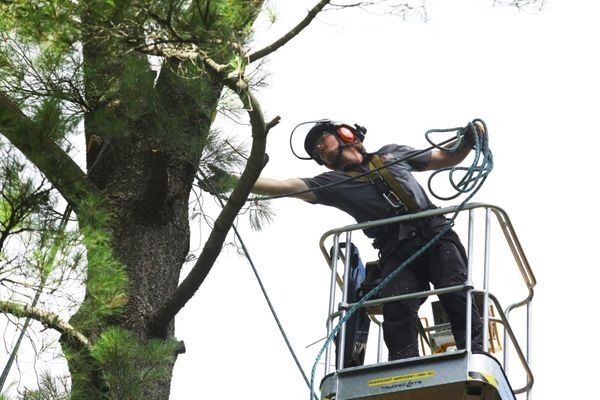
Then, compliance and safety protocols must be embedded from the outset. Verify utility locates, document drop zones, and maintain chainsaw and aerial lift certifications where applicable. Phase high-risk activities during low-traffic hours, and buffer pedestrian areas with signage and barriers. These steps protect crews and the public, while ensuring work can proceed without stop-start disruptions that inflate timelines and degrade quality.
Finally, handoff and follow-up close the loop. Provide a simple care guide summarizing watering expectations, pruning intervals, and signs that warrant a service call. Validate establishment of new plantings through the first growing season, and schedule a check-in before dormancy. When each step is sequenced and measured, the landscape gains durability, aesthetics improve, and the canopy becomes a managed asset rather than a recurring emergency.